 Online Banking
 Terrain
 (800) 800-4865
 Contact
 Locations


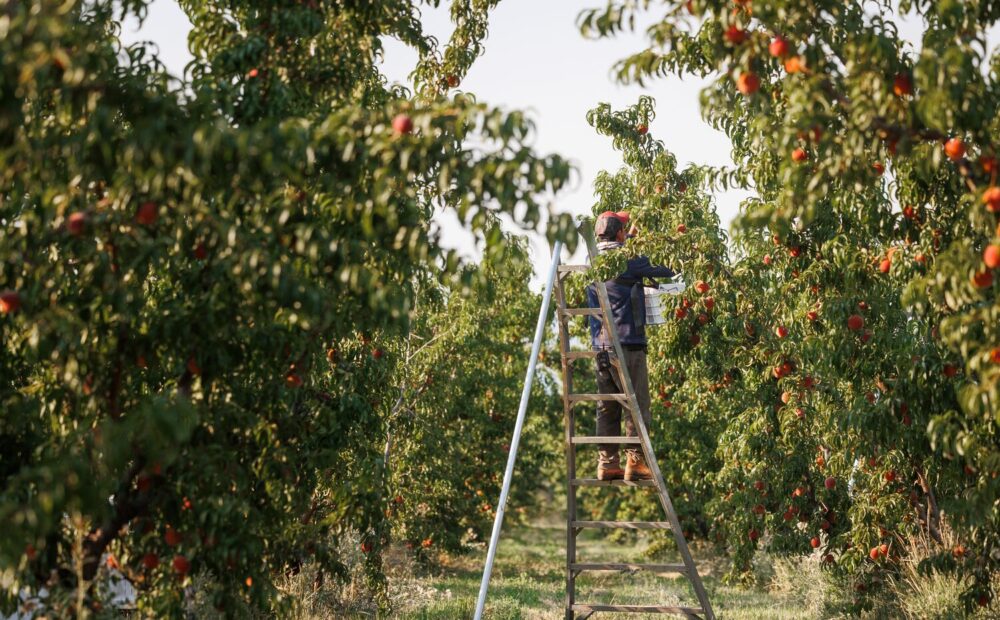
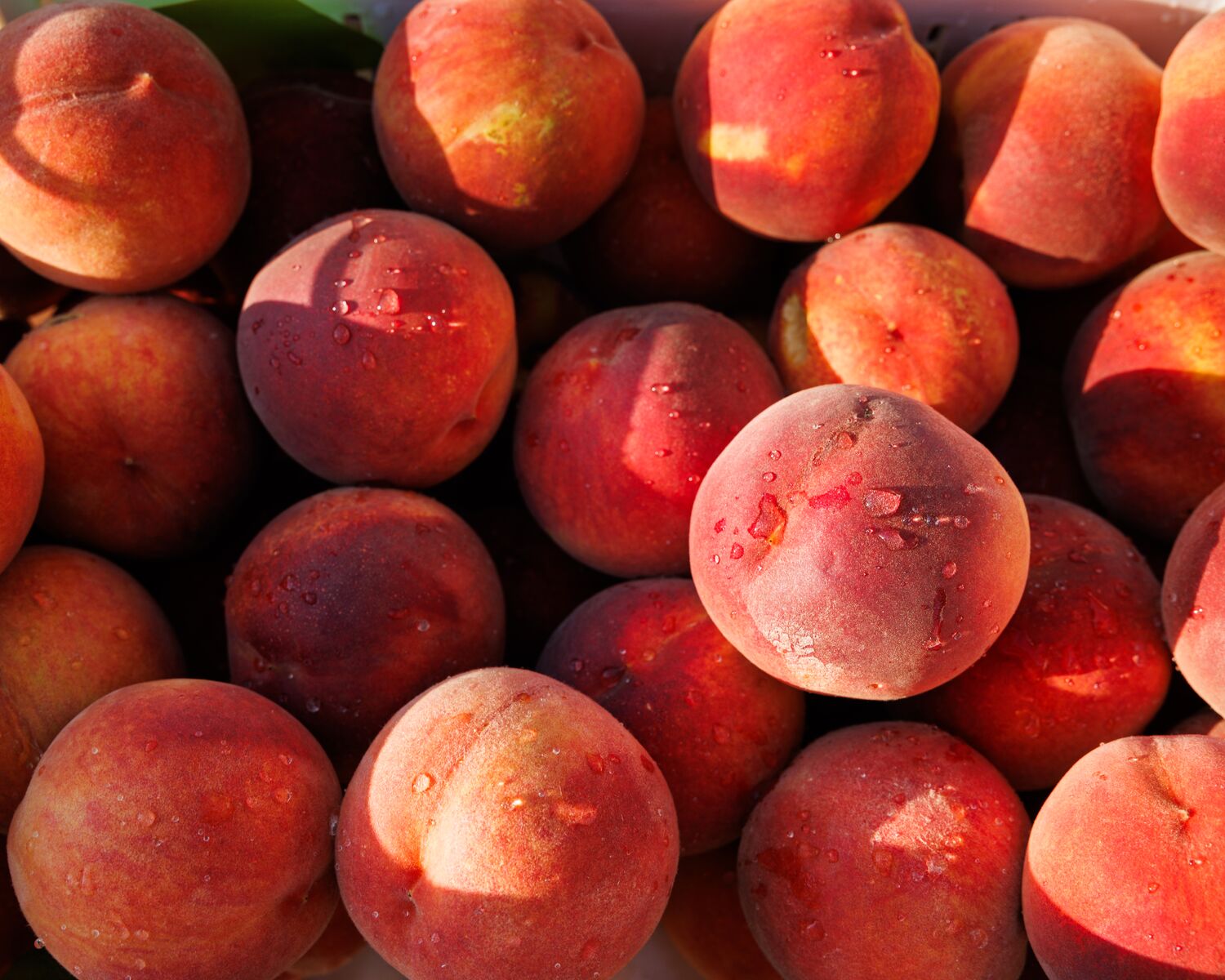
Colorado peaches have been a national phenomenon since local settlers first planted the fruit in the 1880s. Here on the Western Slope of the Rockies, peach trees thrive in a dry, high-country landscape that has been shaped over millions of years by geologic forces and water, giving rise to towering mesas, deep canyons, plateaus and stunning rock formations.
“Railroad cars were packed with ice from Leadville to keep the fruit cool, and growers would bring peaches down to the central hub,” said Reagan Choi of Ela Family Farms. “For two weeks, the peaches would go out across the nation. We’ve extended the growing season and extended the distribution since those early days, but all the way it’s been the temperature variations that give us an intense richness and variety of flavor.”
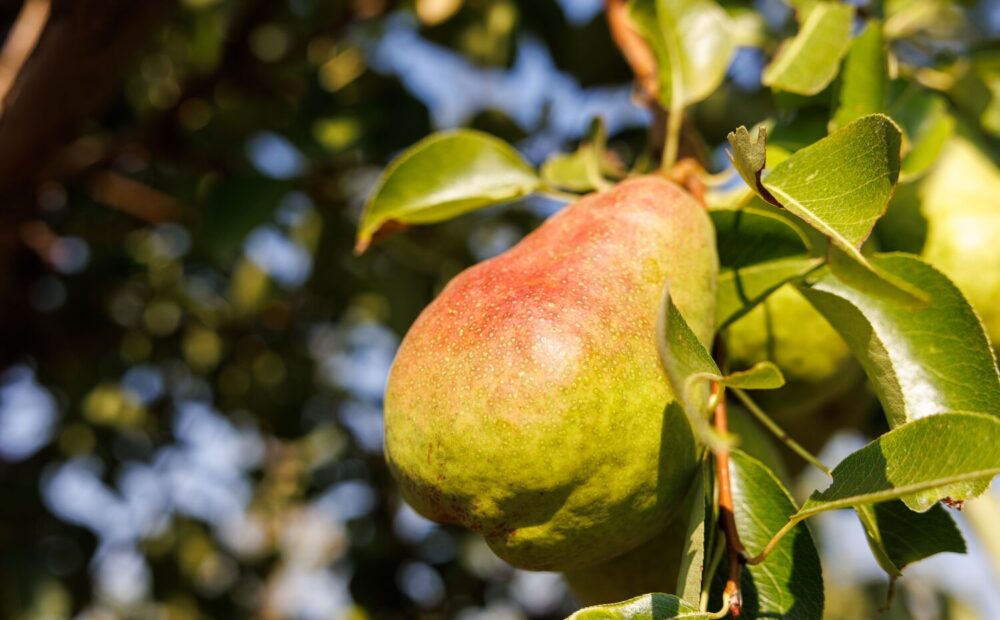
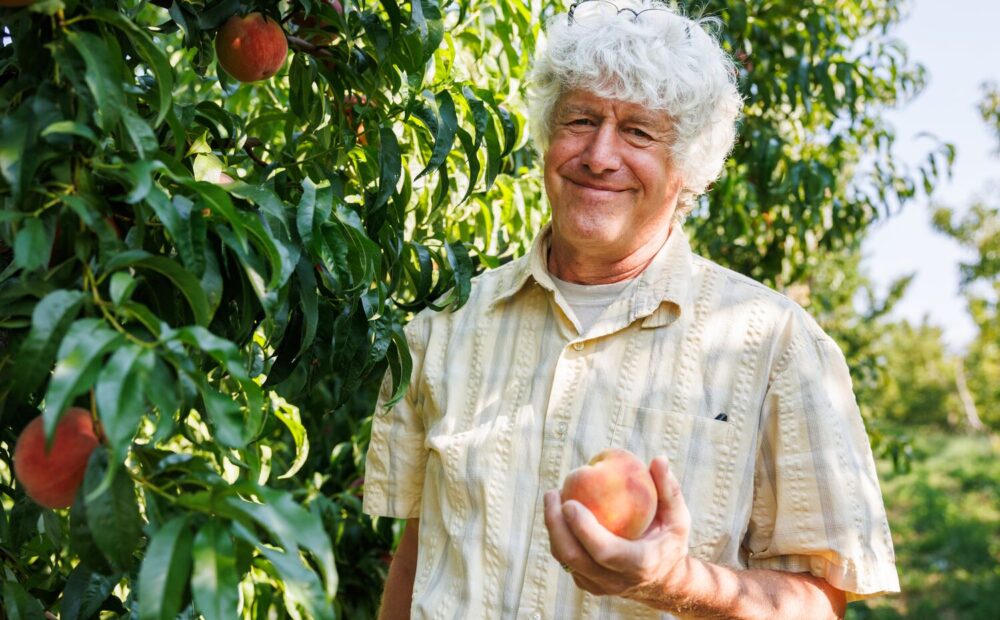
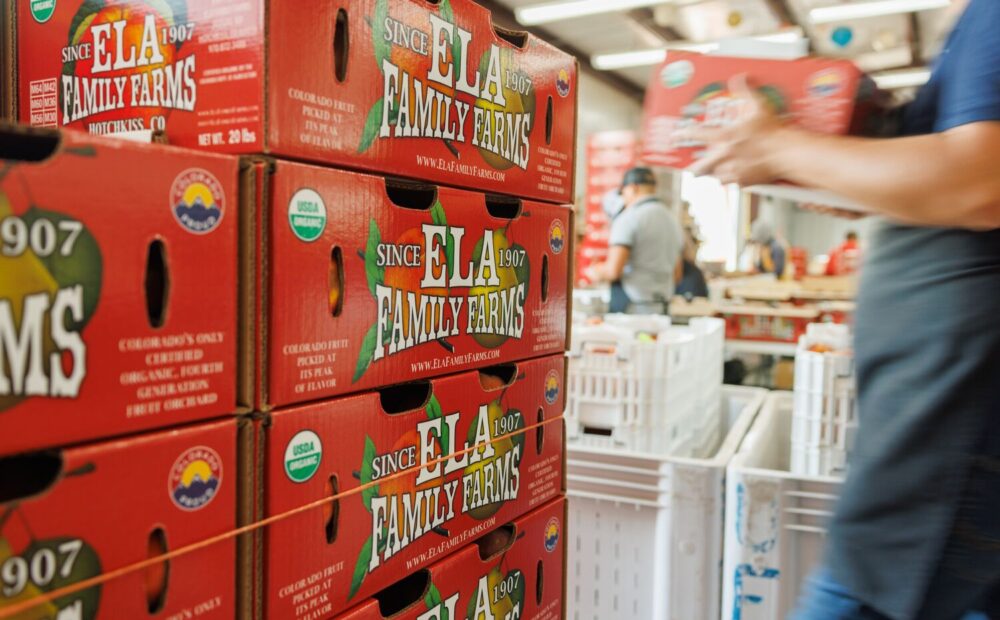
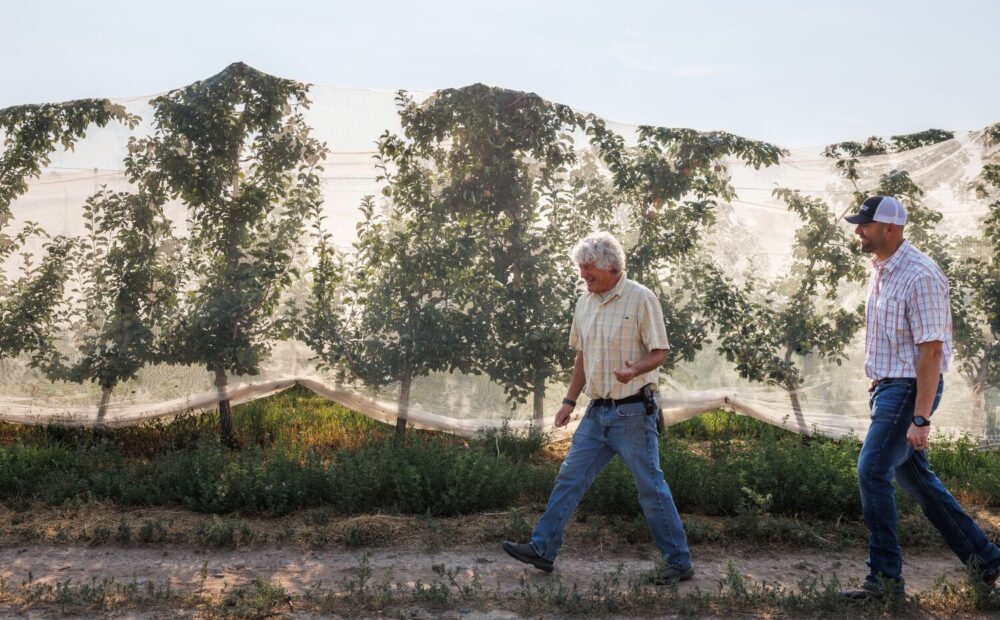
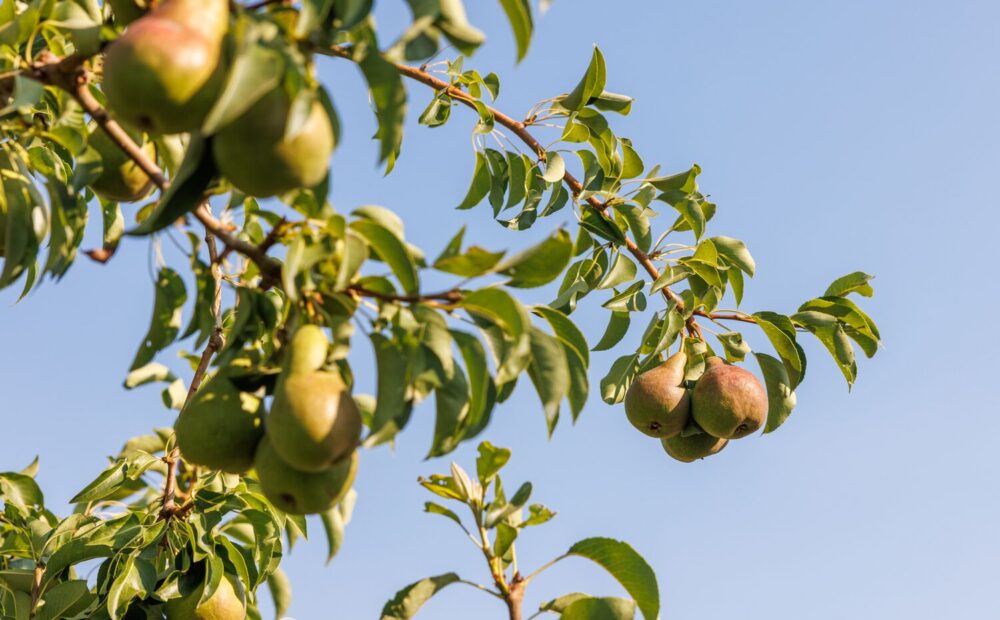
Ela Family Farms is a 99-acre orchard that produces organic cherries, peaches, pears, plums, apples, jams, fruit butters, apple sauces, dried fruit and ciders near the town of Hotchkiss, Colorado. Here on the western flanks of the Colorado Rockies, owner Steve Ela’s family has been growing prized fruit for more than 100 years.
“We’ve always grown tree fruits, sometimes emphasis on pears, sometimes on apples, sometimes on peaches. But we’ve always been committed to quality and flavor.”
As a fourth-generation farmer, Steve said the family’s fruit growing has changed over the years, bringing on new techniques for growing, harvesting, producing and selling the products. What has remained is a deep connection to the local community, the land that supports the farm, and to the farm’s longtime employees.
“I’m proud of giving people really good fruit to eat, so they get to know what a peach or what an apple can taste like and should taste like,” said Steve. “And I also appreciate growing food. It sounds cliché, but it is nice to see people eat your fruit and it’s nice to have them scratch your ears the next week and say, ‘Wow, that was a really good peach.’ That makes a lot of hard work feel worthwhile.”
Today, the farm is run by Steve and Reagan with support from full-time and seasonal staff. Reagan said the family’s legacy of stubborn resolve and careful attention to nature are two key ingredients for the farm’s longevity.
“The farm got to where it is today because of perseverance,” said Reagan. “When the farm came down to Steve’s mom, she was off working for Boeing during World War II, but she came back and kept the farm going. Her dad would drive these peaches from here on the Western Slope all the way over to Denver, back when these were dirt roads and with no lights.”
Growing organic fruit with zero waste
Since 1994, Ela Family Farms has been a pioneering organic orchard, and one that now produces zero food waste. The farm’s zero-waste principle is accomplished by finding new ways to preserve, freeze-dry, and prepare fresh fruit into forms that will last through the winter and into the next growing season.
“What we can’t sell fresh, we will bottle into fruit jams, fruit butters, dried fruits, freeze-dried fruits, apple sauces, apple cider,” said Steve. “That’s great because it provides us a shelf-stable product that we can sell year-round. It also gives our customers something else in addition to the fresh fruit. Nothing gets wasted. We’re really committed to trying to help reduce that food waste problem that we have in the United States.”
Steve said the farm is focused on using the resources it has in a responsible way while giving back to the land that produces exceptional fruit. Solar panels, for instance, provide about 80 percent of the farm’s electricity needs. With careful attention to preserving soil quality and conserving limited water resources, the farm has maintained a balanced relationship with this high-desert landscape for more than 100 years.
“My family moved here in 1907 and planted peaches, kind of moved around, and then I grew up on the farm my granddad added, starting in 1920,” said Steve.”
Farmers learn from nature’s lessons
When a historic cold snap in October 2021 damaged or destroyed many of the family’s fruit trees, Steve and Reagan were in a bind. How would the farm survive without many of its fruit trees? The family reached out to CSA members to see if they would like to “adopt” new peach trees to rebuild the orchard.
The response was immediate: more than 300 community members adopted trees, giving a much-needed boost to the farm in a challenging moment. Reagan said it was a testament to the community’s generosity and care, qualities that motivate her work to feed neighbors and provide them with exceptionally good fruit.
“We are growing food. People need food to eat,” she said. “We’re doing it in a way that’s building systems rather than destroying them, biological and human. I couldn’t really ask for something more meaningful in that.”
Fruit harvest runs in cycles from around July 4th to the end of October, beginning with sweet cherries and ending the season with apples and pears. For Steve, each growing season represents a fresh start, an opportunity to learn more about nature and about growing fruit in this rich and dynamic landscape.
“I’ve been growing full time for 35 years and none of those years are the same,” said Steve. “It’s watching the world change, reacting to that, paying attention to it, being fascinated, sometimes being clubbed by it. We’ve had some painful experiences and it’s really hard work. But it’s about watching how the world changes. That’s what is very fascinating to me.”