
 Online Banking
 Terrain
 (800) 800-4865
 Contact
 Locations


The state of the U.S. economy will be a major focus in 2026 ahead of the midterm elections. We will hear a lot about it in the political rhetoric, but economic conditions meaningfully influence consumer behavior too, including dairy demand. People need to eat regardless of the economy. When budgets tighten, streaming services may be cut, car purchases delayed and vacations scaled back, but food consumption continues. What changes is the “where” and “what” of food spending, which matters for dairy. Food Inflation Can Influence Dairy Consumption Inflation, commonly measured by the Consumer Price Index (CPI), tracks how quickly prices rise. Policymakers aim for about 2% year-over-year growth. When inflation outpaces wages, consumers begin trimming their spending, though food is rarely the first place they cut. CPI inflation was up 2.7% in December, above target but in line with expectations and moving toward policymakers’ 2% goal. Food inflation ran slightly higher at 3.1%, but the details are more telling. “Food at home,” largely groceries, rose by 2.4%, while “food away from home” increased 4.1%. The gap has persisted since March 2023, largely due to higher labor costs associated with having your food prepared for and served to you. As the cost of dining out rises, consumers shift toward meals prepared at home. Unfortunately, consumers also tend to eat less dairy when preparing their own food at home. Restaurant foods like pizza, cheeseburgers and lattes are dairy-intensive, and food-service supply chains see more waste, so a pullback in dining out can pressure demand. Employment Landscape Shapes Dairy Demand Too Price trends are only half the story. The ability to pay is the other. Employment conditions are especially important for dairy demand. My analysis suggests the unemployment rate has the strongest relationship among major indicators: A 1% increase in the unemployment rate corresponds to a roughly 0.55% decline in domestic dairy demand. Consumers who are unemployed or uneasy about job prospects become more cautious with food spending and may shift from dining out to staying in. Recent survey data reflect growing anxiety. The Federal Reserve Bank of New York’s Survey of Consumer Expectations shows rising concern about job loss and a record-low perceived probability of finding a new job if displaced. Likewise, the University of Michigan’s Consumer Sentiment Index indicates that Americans felt worse about the economy in 2025 than they did on average through all recessions since 1980. Surveys can be finicky, but sentiment shapes behavior. So far, that gloomy sentiment hasn’t shown up in the dairy data. Through August, domestic dairy disappearance on a total solids basis rose 2.6%, per the USDA. That aligns with the broader economic picture: Inflation is gradually easing, incomes have been growing, and while unemployment has edged up, it remains low by historical standards. This broader economic picture has offset any potential losses from consumers spending less away from home. Starting the Year Strong Domestic dairy demand should remain strong heading into 2026. Booming protein demand and favorable positioning in the new Dietary Guidelines are among several reasons to be optimistic. But in a year likely to be filled with conflicting narratives about the economy, tracking inflation and employment trends especially will offer the clearest signals of how consumer behavior, and dairy demand, may shift.
More Articles
See All Insights
Populations are aging and shrinking among some of the biggest dairy-consuming regions of the world, including our top dairy export destinations such as China, Japan and
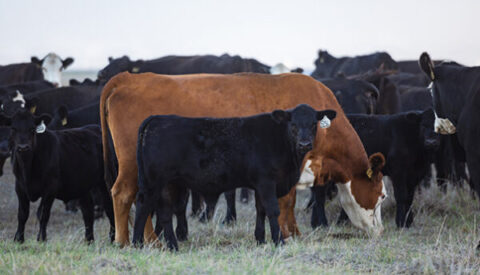
After years of contraction, it appears beef cow herd expansion has begun at a modest rate, according to a first-of-its-kind survey conducted in December by Terrain
The U.S. soybean market currently depends on clarification of domestic biofuel policy and China’s progress in meeting its soybean purchase commitments. Both factors will weigh heavily
 Top
Top