 Online Banking
 Terrain
 (800) 800-4865
 Contact
 Locations


When the Salopek family started farming in southern New Mexico in the 1970s, they grew cotton, alfalfa, melons, and a wide variety of vegetables on fertile river land in the Mesilla Valley.
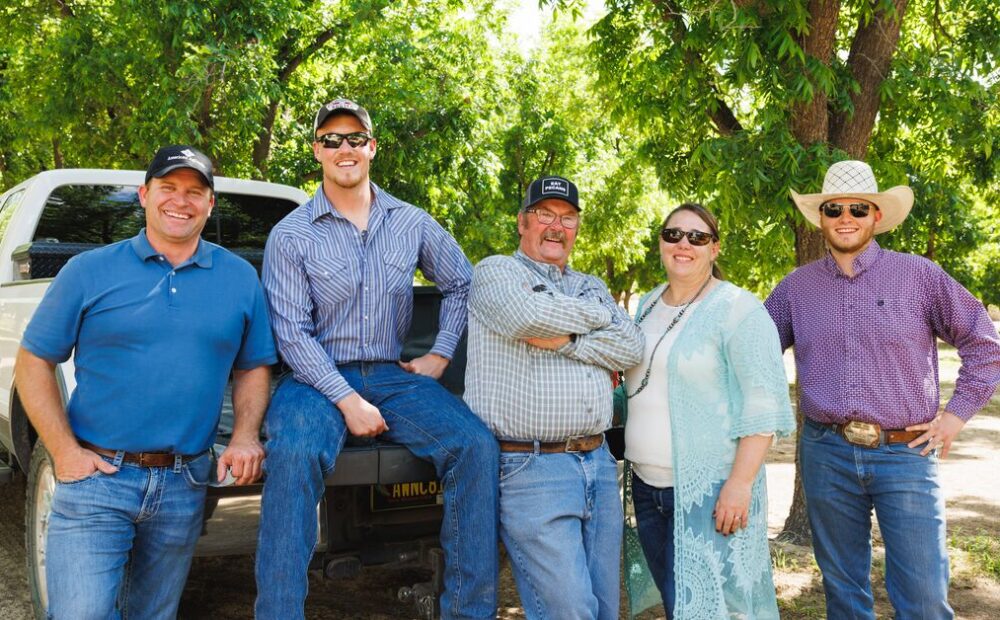
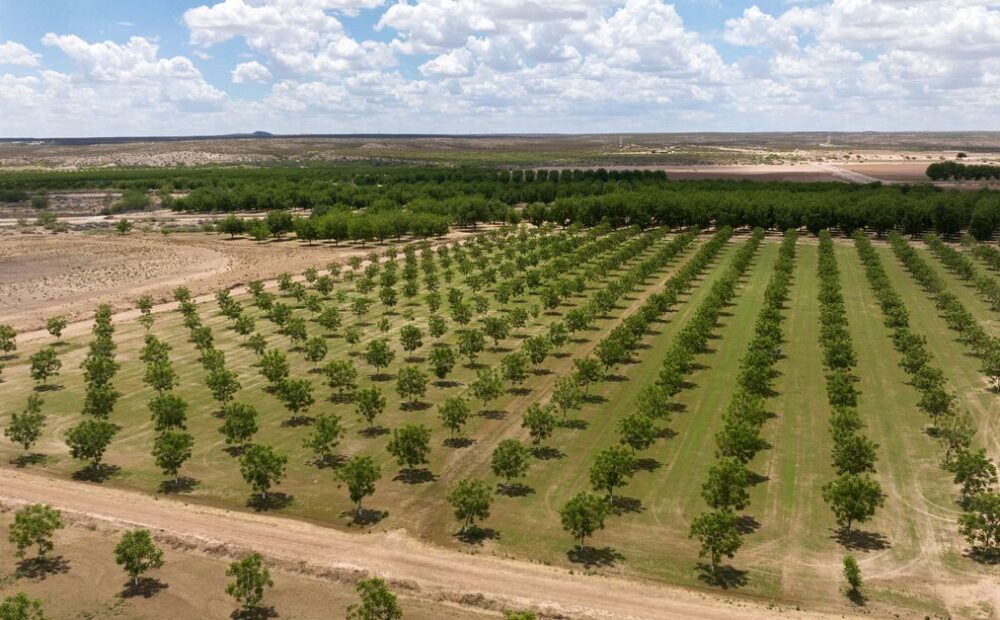
The family soon found success growing pecans on land that was historically flooded by spring rains that pushed the Rio Grande over its banks. Located about 40 miles north of the U.S.-Mexico border, the Salopek family farm soon grew to include their five sons, all of whom were passionate about farming in this region.
“In many ways, we’ve blazed a trail here in the Valley,” said Frank Paul Salopek, owner and manager at Pancho Salopek & Sons Farms in La Mesa. “The Stahmanns were the first family to grow large scale up here, and then we came in after them and have just continued to grow.”
Farming pecans and growing new ecosystems
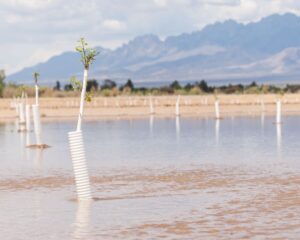 Growing pecans in a dry region is no simple feat. Pecan trees need to be watered regularly during the growing season, and cycles of drought in the region have at times pushed pecan farmers to innovate and find other water sources beyond the river.
“Our primary water source is the Rio Grande,” said Frank. “We’ve been through cycles of droughts over the years. In the ‘50s, they started putting wells down because there was no water. We used the groundwater underneath to pump up and supplement the surface water. Water is a very critical aspect of any farming operation.”
As the family’s pecan farming operation has grown, Frank and his sons Garrett and Everett have watched their pecan orchards create a more welcoming environment for native plants and animals.
“We started planting more trees and noticed that we were able to produce a higher sustaining yield,” said Everett. “It also creates an ecosystem. We now have water for animals to come and drink. It’s an amazing thing to see, going from dry dirt to a full-fledged ecosystem.”
Working with family ‘creates something special’
Growing a family farm means planning for the next generation to take on more responsibility over time.
As important as succession planning can be in agriculture, only about 55% of U.S. farm owners have created a plan for bringing in the next generation, according to a 2019 USDA study.
For Frank, succession planning has been centered on his sons Garrett and Everett, both of whom have been active in the family business for years.
“The younger generation, they bring the energy that you need to have to grow,” said Frank. “They also bring the technology expertise, which is becoming more and more involved in farming on a daily basis.”

Everett said the learning process started when he was a young boy, as Frank would take his children into the orchards to teach them about pecan harvesting. Today, Everett said the family nature of the business is a constant source of pride and motivation.
“It makes it more special knowing that the people you get to work with are the same ones that you get to come home to,” he said. “They’re the ones that you get to see on Thanksgiving and all the holidays. No matter what, you always have someone to rely on.”
For Garrett, the chance to work with family while teaching his son about a life in agriculture has made the experience even more meaningful.
“We have been learning from our dad for the past six years, since my son was born, and it creates something special,” said Garrett. “I remember being a kid and telling him how I wanted to work on the farm with him, and now I have my son telling me the same thing.”
Watching his two sons work on the farm, Frank said he enjoys passing along the knowledge he has gained from a life in agriculture, even as he continues to learn.
“I enjoy doing what I do,” said Frank. “I enjoy passing knowledge on to my children and other people who ask. It hasn’t gotten boring yet – it’s an adventure. It continues, and it changes.”