How a family farm put Kona coffee on the map — Greenwell Farms
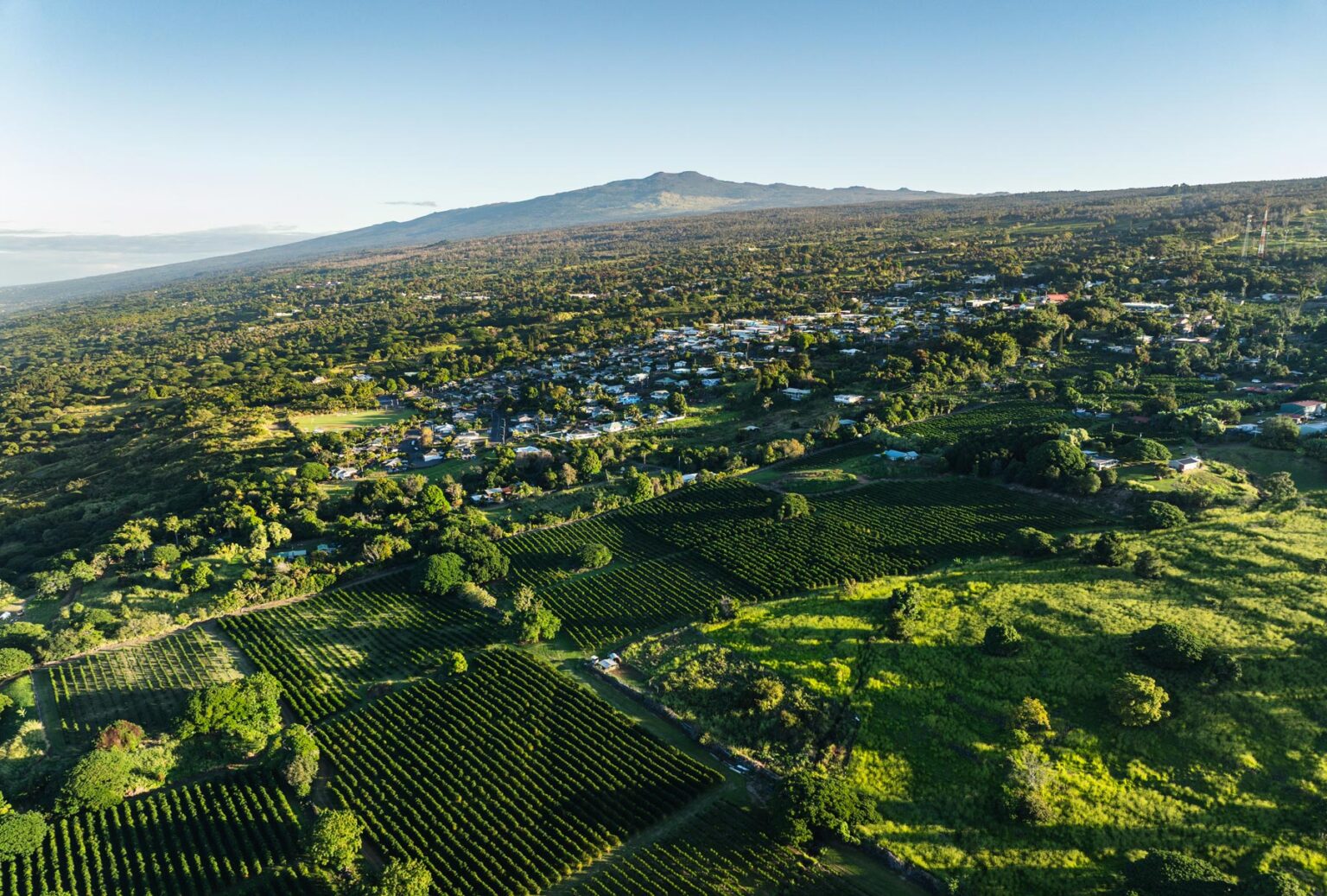
“I always say that coffee is never gonna be better than the moment you pick it off the tree,” says Tom Greenwell, gesturing to green rows of coffee trees overlooking the Pacific Ocean. The land here has been passed down, hand to hand, through Tom’s family for four generations.
Tom’s son Ben Greenwell represents the family’s fifth generation at Greenwell Farms. He works closely with his father as they grow, harvest, pulp, process and ship their famous Kona coffee to locals and buyers around the world.
The family’s roots in Kona stretch back to 1850 when Henry Nicholas Greenwell sailed from England and first set foot on the western side of the Big Island. Soon, he and his wife Elizabeth were farming, ranching and producing Kona coffee, a variety that they made into a recognized brand in the 19th century.
In 1873, the couple’s fresh and unusually flavorful Kona coffee was honored at the World’s Fair in Vienna, Austria.
“Coffee was introduced here in Kona in 1828,” said Tom. “It grew into a fairly large industry here, up to about 6,000 acres. And it’s supported generations of people who live here.”
Fast forward to 1984, when Henry and Elizabeth’s grandson Norman, a rancher, decided to begin growing coffee with his son Tom on the same land that his grandparents farmed. When Norman passed away in 1992, Tom took over the coffee operation.
Today, Tom and his son Ben are focused entirely on making delicious Kona coffee from seed to cup, producing some 2-3 million pounds of coffee cherry each year. Tom’s wife Jennifer ran retail operations and now handles the mail-order business, and his brother-in-law Steve Hicks has long been the CFO for Greenwell Farms. It’s a true family business.
“We started here on a 25-acre farm growing coffee, and we’ve grown that to about 200 acres,” said Tom. “We are in control of every step of the process: growing it, picking it, processing it, milling it, roasting it, packaging it and sending it out either in the mail or else directly to some of the 300 people who come to the farm every day.”
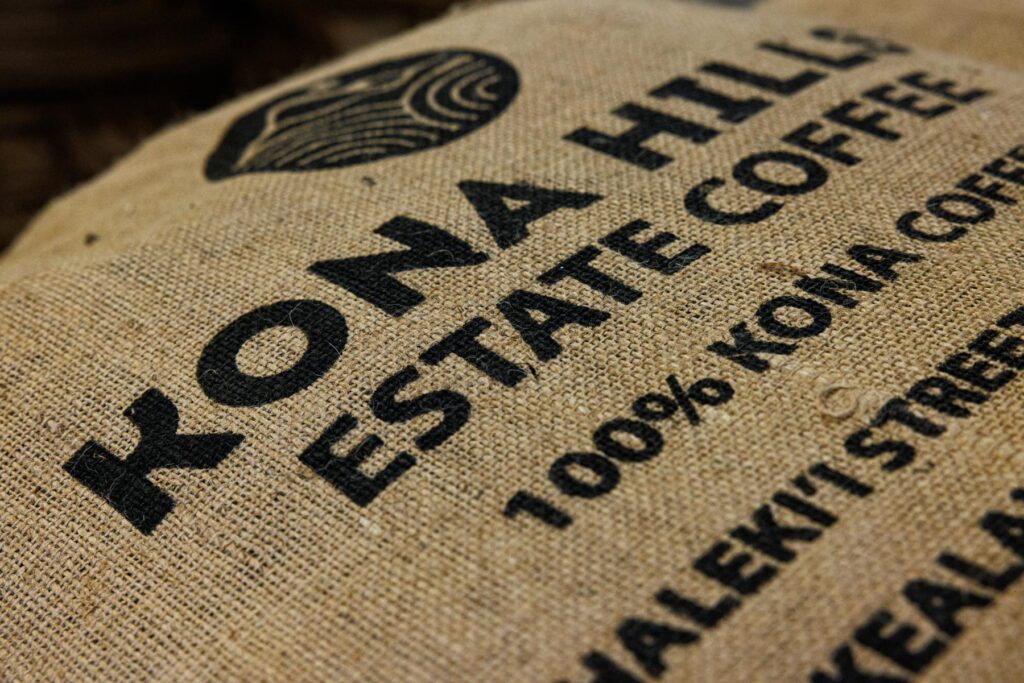
Greenwell Farms is now an award-winning destination for thousands of visitors each year who come out to meet Kona’s local coffee growers, experience the farm’s micro-climate and taste some truly delicious coffee. Perched in the Kona Coffee Belt, a 35-mile stretch of land on the western side of the Big Island at 500 to 3,200 feet elevation that has ample rainfall, well-drained volcanic soil and a very temperate climate, Greenwell Farms is in an ideal spot for growing coffee.
“There are a few reasons that Kona coffee is unique,” said Matt Woolf, research analyst at Terrain. “One is the volcanic soil that it’s grown in gives it particularly good drainage; another is it tends to be small batch; and third is the low acidity which gives it a really smooth flavor profile.”
Making delicious Kona coffee, seed to cup
Greenwell Farms plays an integral role in the story of Kona coffee and how it evolved from a small regional variety to a brand that is synonymous with flavor and quality. In the 1800s, Kona coffee was elevated by its unique terroir and proximity to ports, ensuring that a fresher product was reaching consumers in the United States, Japan, and many other countries.
In his role running dry operations, Ben Greenwell is responsible for getting Greenwell Farms coffee ready for pulping and processing as quickly as possible to preserve the unmistakably fresh flavor.
“I think what sets us apart is quality,” he said. “Once that bean is picked off of the tree, it’s go-time from there. Getting it to the wet mill in a timely manner, pulping it at the wet mill and letting it ferment — it’s all time sensitive.”
Coffee cherries are picked by hand when bright red and ripe, then sorted and pulped to remove the skin and pulp from the bean. From there, they are hulled to remove parchment and polished, cleaned and sorted, and finally roasted.
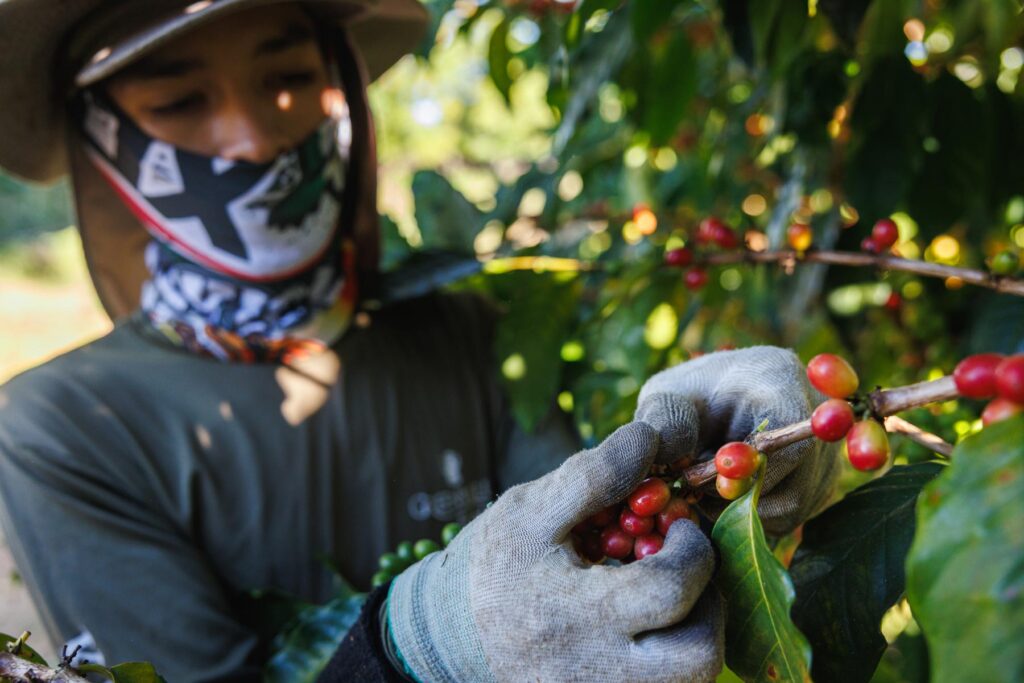
It’s a complex and delicate process that requires speed, skill and close attention to detail. Ben and his team are experts at ensuring that only the highest quality beans make it into each bag of Greenwell Farms coffee.
Given the seasonal nature of coffee growing, Greenwell Farms experiences a lull between harvest and when the company’s coffee is sold. Tom said that when looking to bridge this gap, he and his team at Greenwell Farms began working with the local Farm Credit lender in Hawaii, which today is known as American AgCredit.
“By the time you pick [the coffee] to the time you actually sell it is about four to five months,” said Tom. “We needed a way to weather that period of time, so American AgCredit has been a lifeline for this company.”
Linus Tavares is a relationship manager for American AgCredit based in Hilo who has worked with Tom and his team at Greenwell Farms for several decades. Over the years, the relationship has deepened through all the ups and downs of a life in agriculture.
“American AgCredit’s knowledge of farming and credit really fits in well with their operation,” said Linus. “We’ve been working together between 25 and 30 years. When you come around and the kids start calling you ‘uncle,” that tells you how long you’ve been around.”
Looking ahead, Tom and Ben are hopeful that their hard work and family’s deep roots in Kona coffee will continue to yield success as the next generation steps in to work the land.
“It’s family land here, so I really hope we can keep increasing the value of what we’re doing so we can pass it down to the next couple of generations.”